 By Cynthia Cooper.
Based on research by Emeritus Professor David Mellor (2020–2025)
Have you ever wondered how comfortable your horse really is with a bit?
New research by Emeritus Professor David Mellor — one of the world’s leading equine welfare scientists — takes a hard look at how bits affect horses’ mouths, behavior, and wellbeing.
The findings might just change how you think about communication, control, and what the “perfect bit” really means.
Why We Use Bits
For thousands of years, humans have relied on horses for transport, work, sport, and recreation. But as Professor Mellor reminds us, horses don’t volunteer for these jobs. They’re trained to accept human control — and one of the main tools used to achieve that is the bit.
A bit is a piece of metal (or other solid material) placed inside the horse’s mouth, attached to reins that allow a rider to apply pressure. Historically, it’s been seen as essential for safety and control — yet few people have questioned how it feels for the horse.
The Sensitive Horse’s Mouth
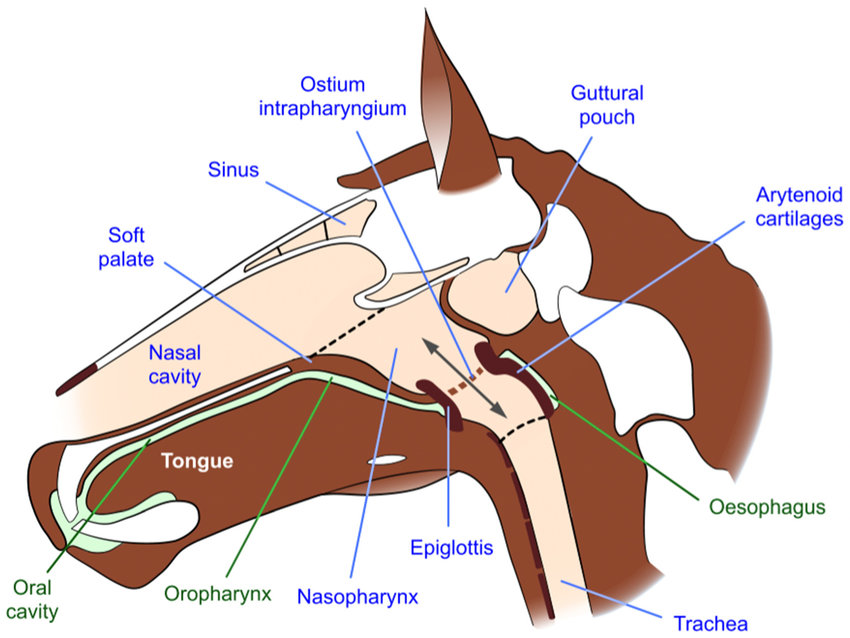 A horse’s mouth isn’t built for metal. It’s an incredibly delicate and finely tuned part of their body — designed to sort, chew, and swallow fibrous plant material.
The bars, tongue, gums, lips, and cheeks are packed with nerves that make them highly sensitive to touch and pain. These tissues help a horse distinguish between a soft blade of grass and a hard stone.
So, when a solid bit presses against them, it can quickly cause discomfort — and even significant pain — even with what we consider “light” rein contact. Research shows that pain can occur without visible injury, meaning your horse might be hurting long before you see cuts or sores [2].
And quoting Dr. Robert Cook from this article: “The horse is a nose-breathing animal, and the mouth is the guardian of the respiratory tract. Unless the mouth is closed and the lips are sealed, a fast-running horse suffocates.”
Try It Yourself: The Mellor Pen Test
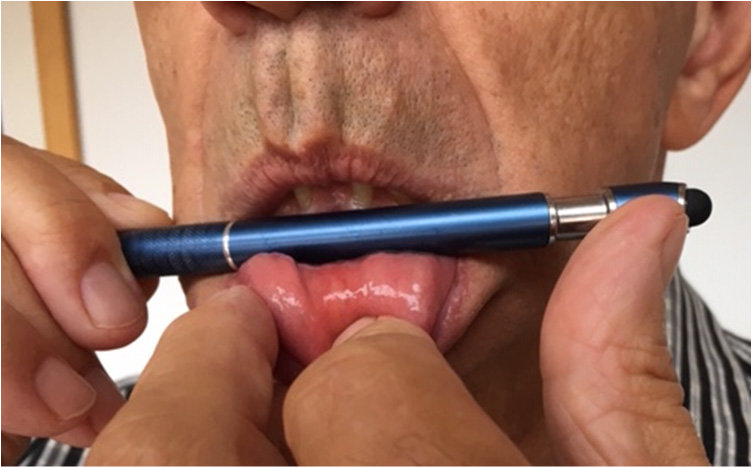
Professor Mellor created a simple way for people to understand just how sensitive a horse’s mouth is — the Mellor Pen Test [2].
Here’s how to do it:
-
Take a pen or pencil.
-
Place it gently against your lower gum, just below your front teeth.
-
Press lightly.
You’ll feel sharp pain long before any damage occurs. That’s similar to what a horse experiences from a bit pressing against their bars or tongue — especially when rein pressure or leverage is added.
Bit Design and Rein Pressure
There are countless bit designs, each claiming to offer better control or comfort. But Mellor’s research shows that any bit that contacts pain-sensitive tissue can cause discomfort, regardless of the style or material.
Even gentle or skilled riders can unintentionally apply more pressure than they realize. Studies show that riders often underestimate rein tension, and curb bits can multiply that force several times through leverage.
So even when it feels “light” in your hands, your horse might be feeling something very different.
How Horses Show Bit Pain
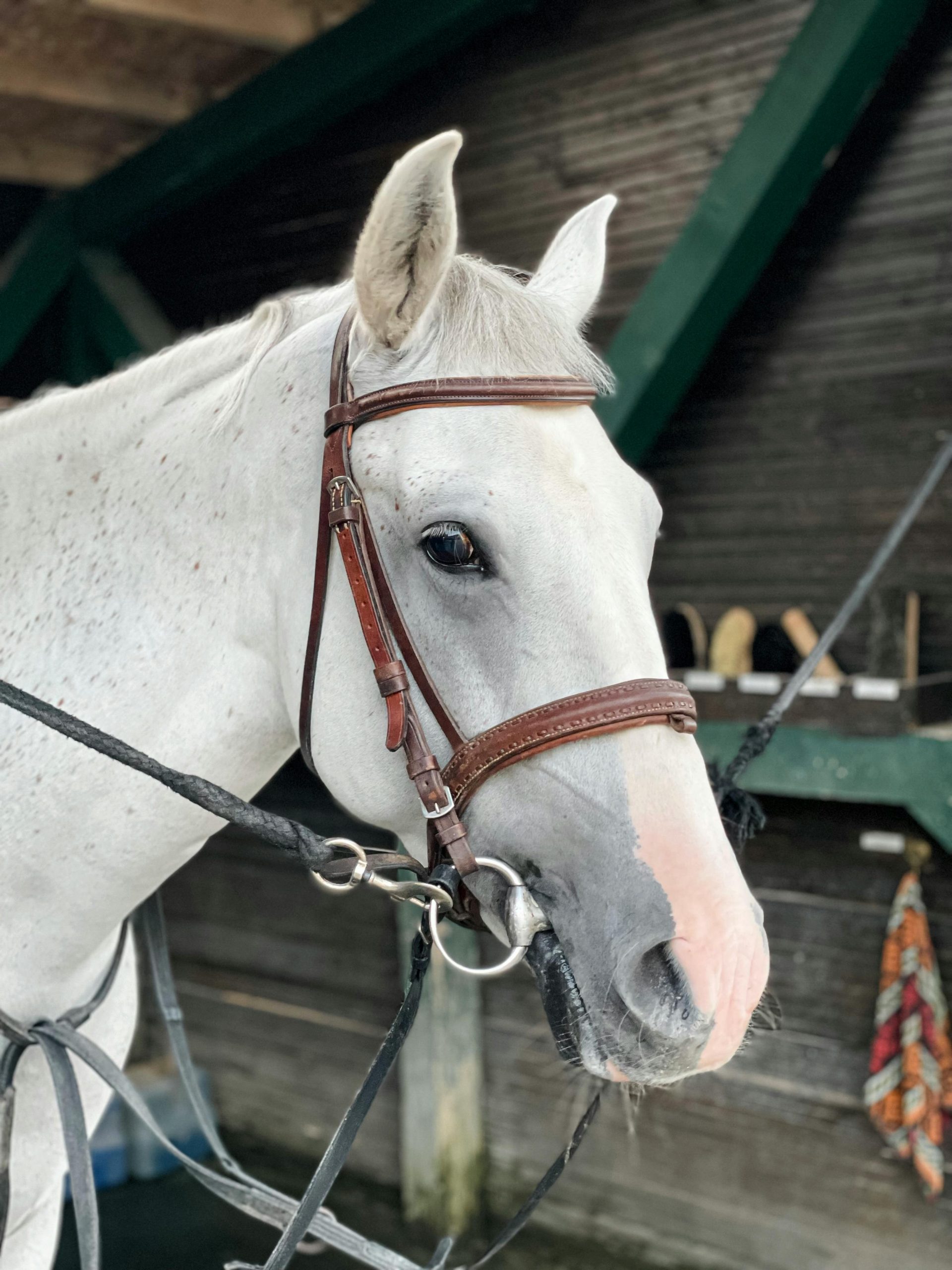
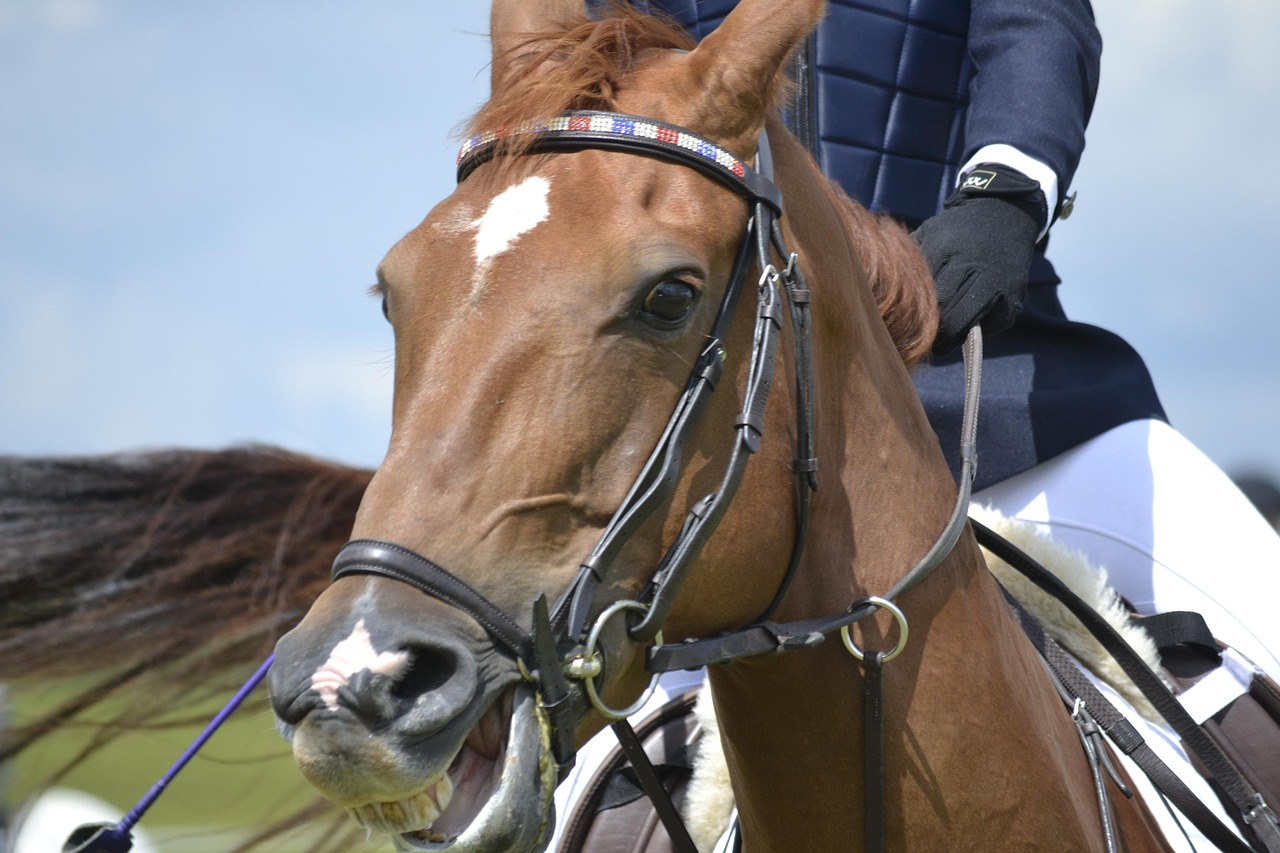 Mellor documented clear behavioral signs that bits cause pain. These include:
-
Mouth opening or gaping
-
Tongue movement or retraction
-
Head tossing or shaking
-
Reluctance to go forward or accept contact
When those same horses were ridden bit-free, their behavior changed dramatically — they moved more freely, relaxed their jaw, and showed fewer stress signals.
Observations of wild, bit-free horses in Australia, France, New Zealand, and the USA revealed calm, natural mouth movements and quiet expressions rarely seen in bitted horses (Mellor, 2020).
More recently, photographic evidence submitted to the FEI Veterinary Committee (2025) showed elite dressage horses displaying clear signs of bit-induced pain during competition.
The “Perfect Bit”
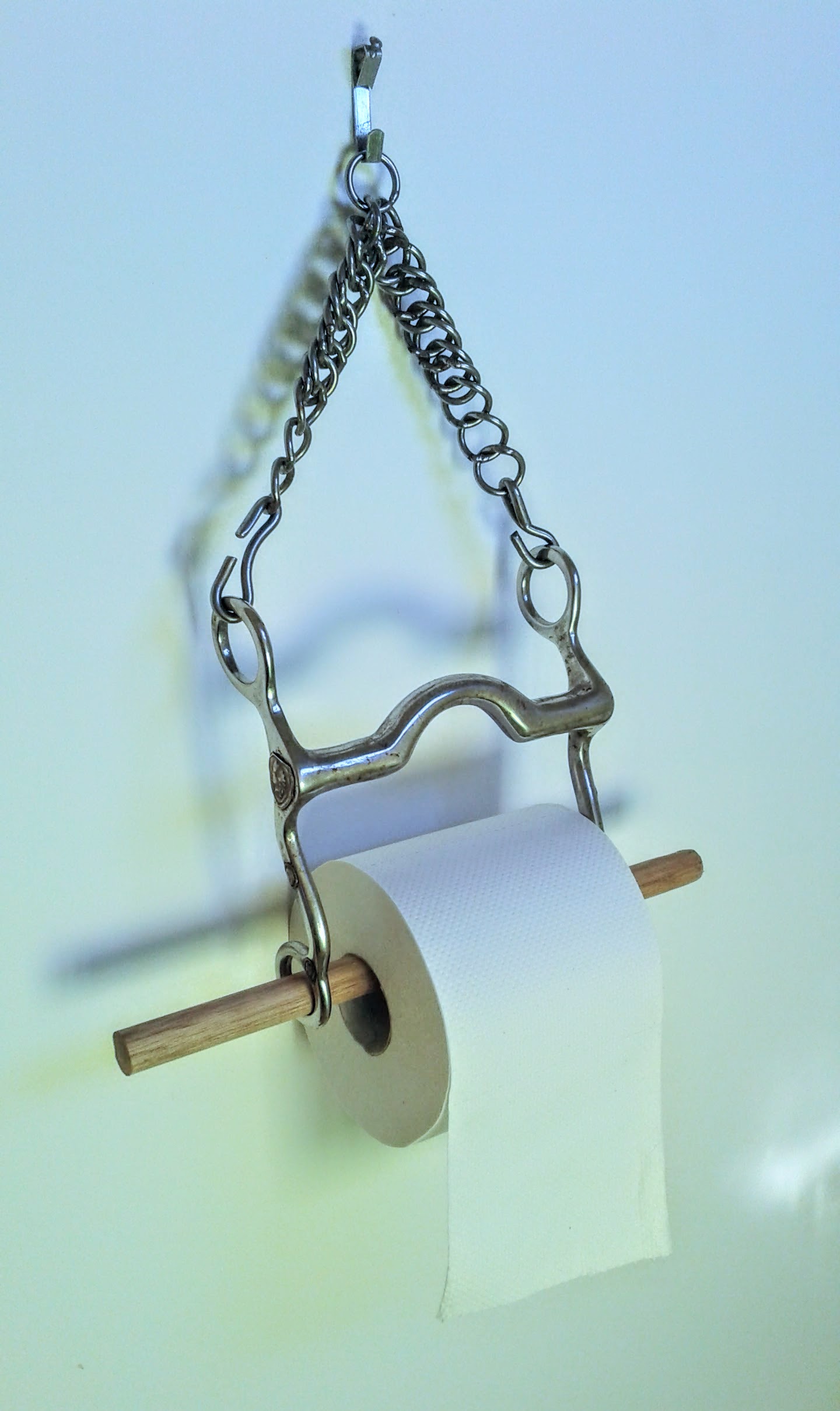
So, what does Professor Mellor consider the perfect bit?
“The perfect bit is one that stays hanging on its hook in the tack room.”
From a horse’s welfare perspective, the kindest bit is no bit at all.
When we remove the source of mouth pain, we open the door to softer communication, better breathing, and a calmer, happier horse. Well-designed bitless bridles and halters made from soft and padded materials work by applying gentle pressure to areas of the head that are far less sensitive than the mouth — allowing you to guide your horse without pain.
Science and Compassion in Harmony
Professor Mellor’s research reminds us that comfort equals cooperation. A horse free from pain is more willing, relaxed, and responsive.
Every rider wants connection, lightness, and trust — and that begins when we listen to what our horses are telling us. Sometimes, that means leaving the bit on the tack room hook and choosing a kinder, more natural way to communicate.
Final Thought
 As riders and caretakers, our goal should be simple — to make every experience as comfortable as possible for our horses. Because when they’re free from pain, they can truly express their natural willingness, confidence, and grace.
Maybe the “perfect bit” isn’t a bit at all — but a partnership built on understanding, trust, and gentle communication.
Further reading: https://horsesandpeople.com.au/the-perfect-bit-for-your-horse/
References
-
Mellor, DJ (2020) Mouth Pain in Horses: Physiological Foundations, Behavioural Indices, Welfare Implications, and a Suggested Solution. Animals, 10(4): p. 572.
-
Mellor D.J. (2025). Submission to FEI Veterinary Committee on Bit Pain in Dressage Horses.
- Mellor DJ, Beausoleil NJ (2017) Equine Welfare during Exercise: An Evaluation of Breathing, Breathlessness and Bridles. Animals, 7(41).