by Cynthia Cooper
Bitless bridles have exploded in popularity over recent years, and with that growth has come a huge range of designs to choose from. That’s great news — but it can also make the decision feel overwhelming!
Just like bits, bitless bridles are not a one-size-fits-all solution. They vary significantly in how they work and how comfortable they are for your horse. Choosing the right one comes down to understanding how each design functions and what suits ‘your’ individual horse. The activity you ride in can even play a role — a rope bitless bridle, for example, is perfect for endurance and trail riding but won’t be accepted in the show ring.
So, let’s start at the beginning.
How Do Bitless Bridles Work?
All bitless bridles apply pressure somewhere on the horse’s head — and often in more than one place. The main pressure points are the top of the nose, sides of the nose, cheeks, poll, and under the jaw. Understanding what happens at each of these areas will help you make a much better choice.
Top of the Nose

Horses generally accept nose pressure well, thanks to their early training in a halter. But there’s an important safety consideration here: the pressure must never be applied too low on the nose. The fragile split nose bone can be damaged — and with harsh repeated downward jerking, even broken. A low noseband can also restrict the nostrils and affect breathing.
As a general guide, position your noseband above where soft tissue ends and firm bone begins around the entire nose — in line with the start of the pre-molars, roughly 3–4 fingers below the cheekbones.
The material of the noseband matters too. Hard lariat rope, thin covered cable (common on some mechanical hackamores), and thin rope can all mark the nose with prolonged use or heavy reins. A thicker, padded or covered noseband is kinder — though keep in mind that a very padded noseband can reduce responsiveness if your horse has learned to push against pressure or you’re riding with constant contact.
Sides of the Nose: The sides of the nose typically receive directional pressure, so what’s making contact here is really important. Large metal pieces found on many leverage-style bitless bridles can trap the skin and cheek flesh against the teeth if they have sharp points — ouch! Even noseband knots on a rope bridle can cause the same problem if used harshly or fitted too high or low.
Cheeks: The cheeks are most commonly affected by crossunder-style bridles, and to a lesser degree in most other styles. Even so, it’s worth paying attention to things like bulky keepers, decorative knots, and fancy hardware that can create unexpected pressure points.
Poll: Crossunder styles generally apply only light poll pressure, while some leverage styles apply more. Where there *is* poll pressure, the material and padding of the headpiece matters — thicker padded headpieces can push uncomfortably into the back of the ears. Where there’s no poll pressure action, this is less of a concern when riding with light reins.
Under the Jaw: Under-jaw pressure is most common in leverage bridles that combine nose and jaw contact but can also come from tight nosebands and chinstraps. Because there’s not much flesh over the jawbone — and because the jaw moves when a horse chews — it’s important that any material in this area is non-abrasive and not too tight.
The leverage action works like this: rein pressure causes the metal apparatus (like hackamore sides) to press down on the nose, which simultaneously causes the chinstrap or curb strap/chain to press up into the jaw.
Chinstraps that run freely through a ring can also create leverage depending on the material — stiffer materials like leather or rope will tighten and leverage, while softer flat materials like webbing will stop at the snug point without continuing to tighten.
The Main Categories of Bitless Bridle
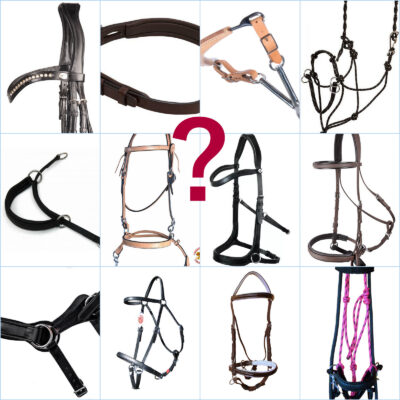
To make it easier, here’s a quick summary of the main styles:
- Rope Halter / Natural Hackamore — nose pressure only, using knots and thin rope to apply direct pressure to specific points on the face
- Bosal — a traditional Western design made from stiffened rawhide, applying nose pressure with added leverage via the extension behind the jaw where the reins attach
- Mechanical or Wheel Hackamore — a leverage bridle using shanks or a ‘wheel’ design and a curb strap/chain to apply pressure over the nose and under the jaw; the longer the shank, the stronger the leverage.
- Crossunder / Crossover — a ‘head hug’ effect that distributes pressure evenly across the nose, cheeks, jaw, and poll via two straps that cross behind the jaw
- Scawbrig — its own distinct style, often confused with a sidepull or crossunder; a chinstrap passes through rings on each side of the noseband creating a pressure-and-release action on the nose and chin only, with no cheek or poll pressure
- Sidepull / Sidecue — direct rein control applying pressure to the top and sides of the nose, with some styles incorporating a sliding chinstrap for added clarity
Which Style Is Right for Your Horse?
Beyond understanding the mechanics, here are the key things to consider when making your choice:
Your Horse’s Sensitivity
Is your horse a sensitive soul who responds to the lightest touch, or a more stoic type who sometimes seems immune to pressure?
Sensitive horses generally prefer a looser-fitting bridle and appreciate one that gives a clear, quick release. They often do well with a rope halter/natural hackamore, a gently used mechanical hackamore, or looser fitting sidepull styles. Crossunder and tight leverage-style bridles tend to be less comfortable for them.
More stoic horses can generally cope with most styles but may simply ignore the pressure from a soft flat noseband. A rope halter/natural hackamore, sidepull, or crossunder style is often a better fit. If your horse is less responsive to directional pressure specifically, a mechanical hackamore or leverage-style bridle probably isn’t the best choice — these styles rely heavily on neck reining, which isn’t always reliable enough on its own.
Level of Education
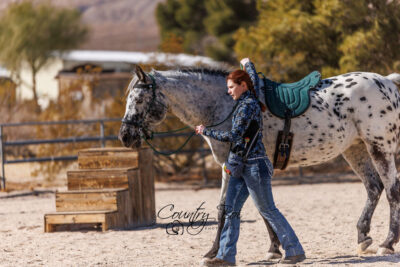
A well-educated horse will usually accept almost any bridle because they’re responding primarily to seat and leg aids rather than rein pressure. That said, past history can override education — so keep reading!
Young or green horses generally do best starting with a sidepull. Mechanical hackamores and crossunder styles can be confusing for horses who haven’t yet developed a solid understanding of directional pressure.
Past History
A horse’s history with bridles can have a big influence on what pressure they’ll accept. Horses who’ve never worn a bridle before often find close-fitting designs uncomfortable and prefer the open, familiar feel of a riding halter or natural hackamore.
Horses who’ve had negative experiences with tight nosebands — or who have had facial injuries — will typically prefer a looser fit. On the other end of the scale, horses who have learned to lean on or ignore pressure may actually need a bridle capable of escalating pressure, such as a rope halter with nose knots, a bosal, or a leverage style.
Your Riding Activities
The type of riding you do can also help narrow down your choice:
- Trail and endurance riding — a bridle that doubles as a safe tying and leading tool is a huge practical bonus. Rope riding halters/natural hackamores are the most versatile, though using a noseband cover and lightweight reins will help prevent nose marking over long sessions.
- Club riding and showing — a more traditional-looking bridle will suit the environment better.
- Stockwork or multi-horse use — choose something flexible and durable that can handle hard work across different horses.
- Low-maintenance or water riding — rope or synthetic materials like beta biothane are far more practical than leather.
The Golden Rule
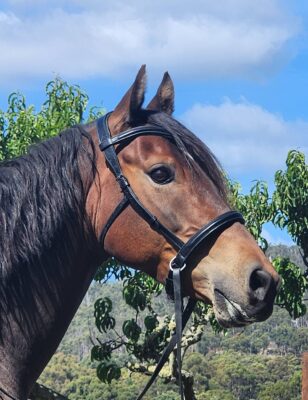
Above everything else, your horse’s comfort comes first. Horses need to be able to move their jaw freely — to chew, yawn, relax, and drink — even with a bridle on. Ill-fitting, tight tack or constant pressure will only create tension and resistance.
When in doubt, remember: ‘less is more’. Start simple, watch how your horse responds, and go from there. Most good retailers who genuinely care about horse welfare will offer a money-back guarantee if the fit or style isn’t working.
Happy bitless bridle shopping!