How to Know What’s Actually Going on Inside Your Horse — The Fecal Egg Count Explained
In my last post I talked about worming horses out of habit — and why that calendar-based approach is something we really need to move away from. I promised to follow up with the *how* — specifically, how you actually measure what’s going on with your horse’s worm burden. That’s where the Fecal Egg Count (FEC) comes in.
If you haven’t heard of one before, don’t worry. By the end of this post, you’ll know exactly what it is, how it’s done, and how to get one — whether you want someone else to handle it or you’d like to give it a go yourself.
Fecal egg counts aren’t perfect for estimating worm burden, but they’re the best tool we have right now for monitoring egg shedding on pasture and are an important part of parasite management. The only way to truly know a horse’s total worm load is to look inside and that can only happen with an autopsy.
What Is a Fecal Egg Count?
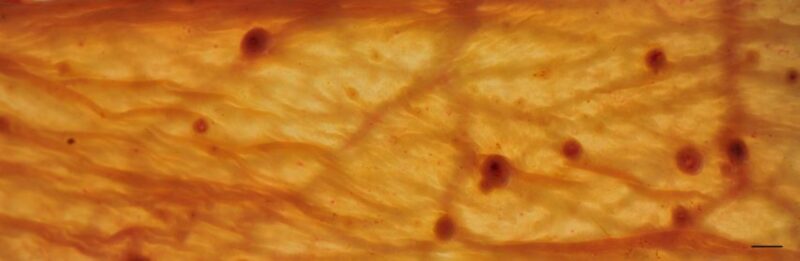
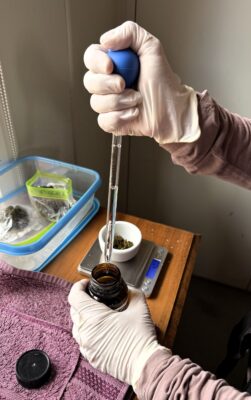 A Fecal Egg Count — also written as FEC or sometimes called a Worm Egg Count (WEC) — is exactly what it sounds like. A fresh sample of your horse’s manure is examined under a microscope to count the number of worm eggs present per gram of faeces. That number, called the EPG (eggs per gram), tells you how many eggs the adult worms living in your horse’s gut are shedding at that point in time.
It’s a simple, non-invasive test that gives you actual data. Instead of guessing whether your horse may need worming, you have much better information to base decisions on.
Why:
- FECs mainly detect egg-laying adult worms. They do not reliably detect:
- encysted small strongyle larvae
- tapeworm burden
- migrating larval stages
- A horse can still have parasite issues with a low egg count.
Why Does This Matter?
Here’s something that surprises a lot of people: not all horses shed the same number of worm eggs, even when kept in the same paddock. Research consistently shows that around 20% of horses are responsible for roughly 80% of the worm egg contamination on pasture. These are what we call “high shedders.”
Interestingly, horses often remain consistently low or high shedders over time, although this can change as they age which is why repeat testing can be so useful.
The rest of your herd — the majority — are likely low shedders. Their immune systems manage the worm burden well, and they may not need worming nearly as often as we’ve traditionally assumed.
There’s also an interesting layer to this. The most common internal parasite in horses is the small strongyle (cyathostomins), and over 95% of horses will have them. Larvae ingested from pasture can go dormant inside the gut wall — a process called hypobiosis — and some researchers believe adult worm populations may play a role in regulating larval emergence and parasite balance within the gut.
When you remove the adult worms with a chemical wormer, it can disrupt that balance. There’s also growing discussion around how frequent deworming may influence the gut ecosystem and parasite balance. Some studies have found associations between deworming history, parasite management practices, and colic risk — though this is a complex area and not fully understood. The takeaway isn’t “never worm,” but rather to avoid unnecessary treatments and use evidence-based parasite management.
An FEC gives you that evidence.
What the Numbers Mean
Different labs may use slightly different reference points, but a general guide for adult horses:
– Low shedder: under 200 EPG — may not need treatment
– Moderate shedder: 200–500 EPG — monitor closely, treatment may be warranted
– High shedder: over 500 EPG — treatment recommended
Thresholds can vary slightly between countries, laboratories, and individual parasite management programs.
Your vet, or whoever processes your FEC, can advise on what thresholds to use based on your horse’s age, health status, and history. Geriatric horses, and horses in poor condition are generally treated more conservatively, while young horses under 3 need more frequent targeted treatments.
What an FEC Doesn’t Detect Well
FECs are extremely useful, but they do have limitations. Standard egg counts mainly measure egg-laying adult strongyles and roundworms. They do not reliably detect:
- encysted small strongyle larvae
- tapeworm burden
- bots
- very early infections
That’s why FECs work best as part of an overall parasite management plan rather than a standalone answer to every worming decision.
Option 1: Send a Sample to a Lab
This is the most straightforward option for most horse owners. You collect a fresh manure sample (usually around 5–10 grams — about a large tablespoon) in a sealed container and send it off to be processed. Results are typically returned by email within a few days.
A number of services offer this across Australia so when posting samples ideally choose one that’s closest, so the samples arrive quickly or use Express post – here are some I know of:
– Mal’s Equine Worm Egg Counts — Tasmania-based, with detailed educational resources and downloadable guides at their educational resources page and useful files page including FEC planners, property worming records, and a guide to horse wormers in Australia.
– WormCheck Australia — VIC-based, offers in-store drop-offs and has a solid library of downloadable resources at wormcheckaustralia.com/resources, including guides for clubs, saddleries, and agistment properties.
– Parasite Australia — Victoria-based and offering tests for varied species and discounts for larger numbers.
– FEC Canberra — ACT/NSW-based, find them on Facebook.
– Eggscope — Brisbane-based.
Many vets also offer this service in-house, and some rural/agricultural produce stores around the country have added it to their services. It’s worth asking around locally.
Option 2: On-the-Spot Testing — The ParaSight System
If you’d rather get results immediately without posting a sample, the ParaSight System is an automated FEC testing unit available in Australia and New Zealand. It’s designed to give you accurate results on the spot.
You can find your nearest ParaSight location at parasightaustralia.com.au/placements. Some veterinary clinics and equine suppliers have these units available.
Option 3: Do It Yourself
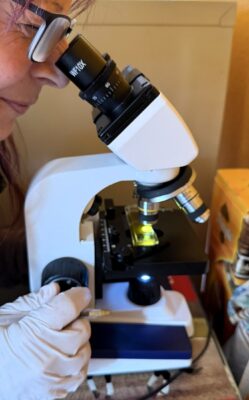 Yes, you can perform your own Fecal Egg Counts. It takes a bit of setup and a learning curve, but once you’re across the technique it’s very achievable — and it makes ongoing monitoring much more affordable, especially if you have several horses.
You’ll need a microscope capable of 100x magnification (with 40x and 100x views being most commonly used, a McMaster counting chamber (a special slide designed for this purpose), a flotation solution (typically made with salt or sugar), and a few other basic supplies.
To get started, these short videos are a great introduction:
– YouTube — FEC overview and method
– YouTube — Step-by-step technique
There are more in-depth training videos on YouTube too — just search “Fecal Egg Count horse” and you’ll find plenty of options.
For written instructions: Microscopes Australia has a detailed how-to guide covering everything from sample preparation to reading the results.
For supplies: Look for starter kits from suppliers like VetLab Supplies, which offer bespoke parasitology starter kits with everything you need. There are also Australian-based microscope suppliers worth exploring — Microscopes Australia has resources and equipment relevant to this.
How to Collect the Sample
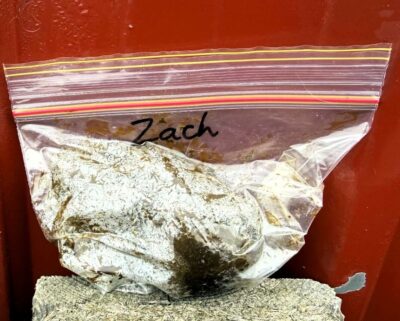
Regardless of which option you choose, the collection process is the same:
1. Collect fresh manure — ideally from the middle of a fresh pile (the surface can dry out or become contaminated)
2. Use a clean container that seals air out — a small zip-lock bag works fine
3. Keep it cool and refrigerated if you’re not processing immediately
4. Aim to process or post within 24 hours of collection
Full sample collection instructions for postal submission are at malsequine.com.au/collection.
The Bottom Line
An FEC is the difference between managing your horse’s parasite load intelligently and just hoping for the best. It takes the guesswork out of worming decisions, helps you identify your high shedders, and means your wormers are being used when they’ll actually make a difference — which also helps slow the development of resistance.
You don’t need to be a vet or a scientist to do this. You just need a fresh sample and one of the options above.
FECs can also be used before and after worming to check whether a product is actually working — something called a Fecal Egg Count Reduction Test (FECRT). This is becoming increasingly important as resistance to some wormers continues to grow.
If you found this useful, share it with a fellow horse owner. The more of us testing rather than guessing, the better for our horses — and the longer our wormers will keep working.